Editorial illustration
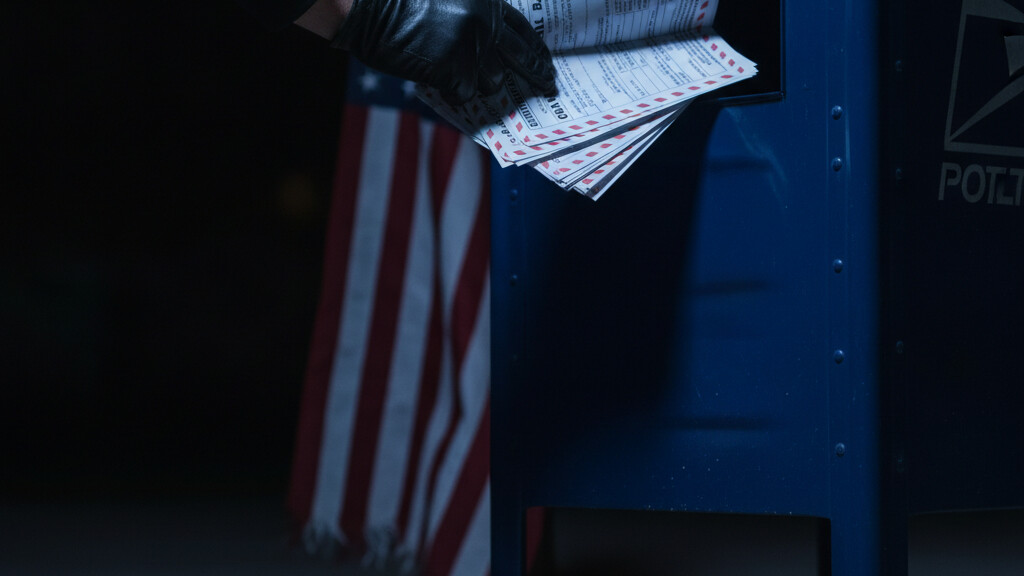
The warnings about mail-in ballot vulnerabilities aren’t conspiracy theories—they’re playing out in real time. A California man was arrested in Scottsdale, Arizona, on felony charges after U.S. Postal Inspectors caught him red-handed stealing mail, and among the items he took were unvoted mail-in ballots in Maricopa County. Let that sink in. This isn’t a hypothetical scenario from a think tank white paper; this is an actual arrest of an actual person caught with actual ballots.
Maricopa County, of course, is ground zero for election integrity battles. It’s the county that gave us the 2020 audit, the county that has been under a microscope for years, and now it’s the county where a non-resident from California was caught helping himself to ballots that should have been delivered to voters. The questions practically ask themselves. What was a California man doing in Arizona stealing mail? Was he working alone, or is this part of something larger? How many ballots got through before he was caught?
The mainstream media will likely bury this story or dismiss it as “isolated,” but that’s the same dismissive attitude that allowed election vulnerabilities to fester for years. When you have a system that relies on millions of pieces of paper floating through the postal system with minimal chain-of-custody controls, you create opportunities for exactly this kind of interference. One man with access to the right mail routes can do tremendous damage to the integrity of an election.
Postal Inspectors deserve credit for catching this suspect, but we have to wonder how many others are out there who haven’t been caught. The fact that this happened in Maricopa County—where election officials have been under constant scrutiny—suggests either that the security measures are finally working, or that the problem is more widespread than anyone wants to admit. Either way, this arrest is a wake-up call. If we want elections people can trust, we need to take chain-of-custody seriously, and that means treating ballots like the valuable instruments of democracy they are—not like bulk advertising mail.
About The Author
