Editorial illustration
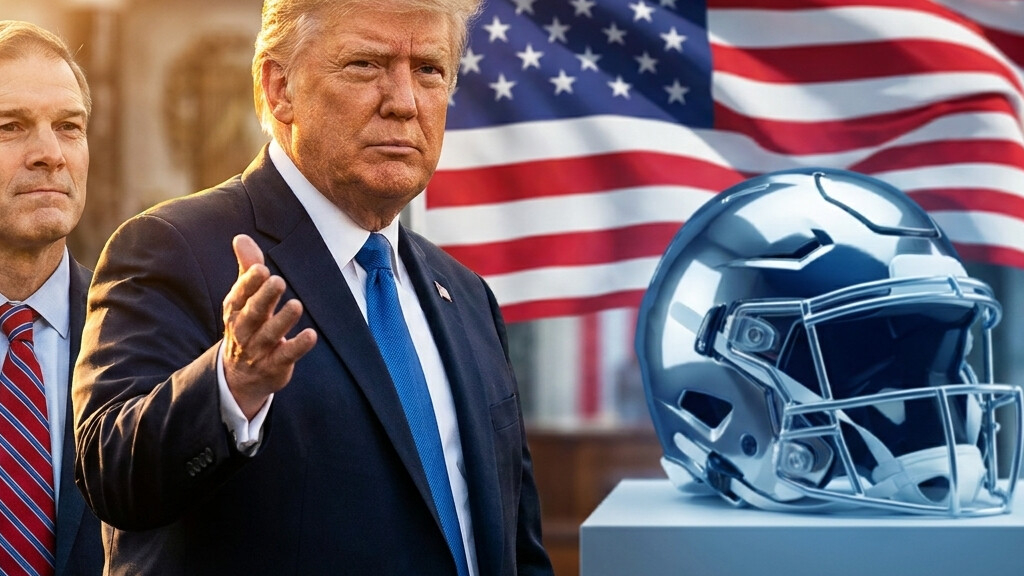
The NFL has a problem, and it is not the kind of problem that can be solved with better play-calling or a stronger draft class. The league that built its empire on the backs of working-class fans, the blue-collar audiences who filled stadiums on Sundays and made football America’s secular religion, has spent the last decade systematically pricing those same fans out of the game. The numbers are staggering and getting worse. To watch every NFL game last season, a dedicated fan needed subscriptions to nine different channels and streaming platforms, totaling more than seven hundred and fifty dollars before factoring in internet costs, equipment, and the various fees that platforms love to tack on. The total cost of being a sports fan in America now approaches five thousand dollars annually, a sum that puts professional sports viewing firmly in the luxury category. President Trump has noticed, and he is not happy about it.\n\nIn a recent interview, Trump cut through the corporate speak and consultant jargon that usually surrounds these issues. “You have people that live for Sunday,” he said. “They cannot think about anything else, and then all of a sudden they are going to have to pay ,000 a game. It is crazy, so I am not happy about it.” This is not the language of a policy white paper or a carefully focus-grouped statement. It is the genuine frustration of someone who understands that sports in America has always been more than entertainment, it has been a shared cultural experience that cuts across class lines and brings communities together. When the NFL puts games behind paywalls, when it forces fans to subscribe to multiple streaming services just to follow their team, it is not just making a business decision. It is breaking a social contract that has existed for generations.\n\nThe House Judiciary Committee, led by Chairman Jim Jordan, has been building a case against the league’s practices for over a year. Their latest report pulls no punches, stating plainly that the NFL’s claim of a fan-friendly distribution model defies the reality experienced by millions of NFL fans. The report documents what every sports bar owner and every working parent already knows: the current model of placing games behind paywalls, especially through offerings like Sunday Ticket, is harming consumers and destroying the communal experience that made football America’s game. Nearly six in ten sports fans now say they have skipped watching a game because it was too expensive, with one-third saying this has happened many times. These are not casual viewers we are talking about. These are the die-hards, the people who structure their weekends around kickoff times, and they are being forced to choose between their budget and their passion.\n\nThe NFL’s response to all of this scrutiny has been to shrug and keep cashing checks. When the FCC opened a review of sports broadcasting practices, the league waited until the last minute to engage. When the Department of Justice launched an investigation into potential anticompetitive practices, the NFL’s lawyers went to work. When Chairman Jordan invited Commissioner Roger Goodell to testify before Congress about these issues, Goodell declined. The message could not be clearer: the NFL believes it is too big to be held accountable, too powerful to be forced to change, and too wealthy to care about the fans who built its empire. The league is betting that Washington’s attention span is shorter than its lawyers’ patience, and for years that bet has paid off.\n\nBut something is shifting. The convergence of Trump’s public statements, Jordan’s committee investigation, the FCC review, and the Justice Department probe suggests that the political class is finally waking up to what fans have been screaming about for years. The Sports Broadcasting Act, which grants leagues limited antitrust exemptions for broadcasting games, was never intended to be a blank check for corporate greed. Courts have been explicit that the exemption covers free, sponsored telecasting, not pay TV, not satellite, not streaming. The NFL has been exploiting a regulatory no-man’s-land, benefiting from antitrust protections while shifting its product to platforms that sit outside the law’s original scope. This is not a technicality. It is a fundamental abuse of the public trust.\n\nThe question now is whether any of this pressure will actually change how the league operates. The NFL has shown no signs of backing down, and its next move will likely be to make things worse rather than better. Word is already out that the league plans to move more holiday games online next season, further fragmenting the viewing experience and driving up costs for families trying to maintain traditions that span generations. The league’s bet is that fans will grumble but ultimately pay up, that their love of the game is stronger than their resentment at being exploited. That bet has worked so far. But Trump has a way of changing political calculations, and if he decides that this is a fight worth having, the NFL may discover that it is not as untouchable as it believes. Working families deserve to watch their teams without taking out a second mortgage. That should not be a controversial statement. The fact that it has become one tells you everything you need to know about who the modern NFL serves.
About The Author
